
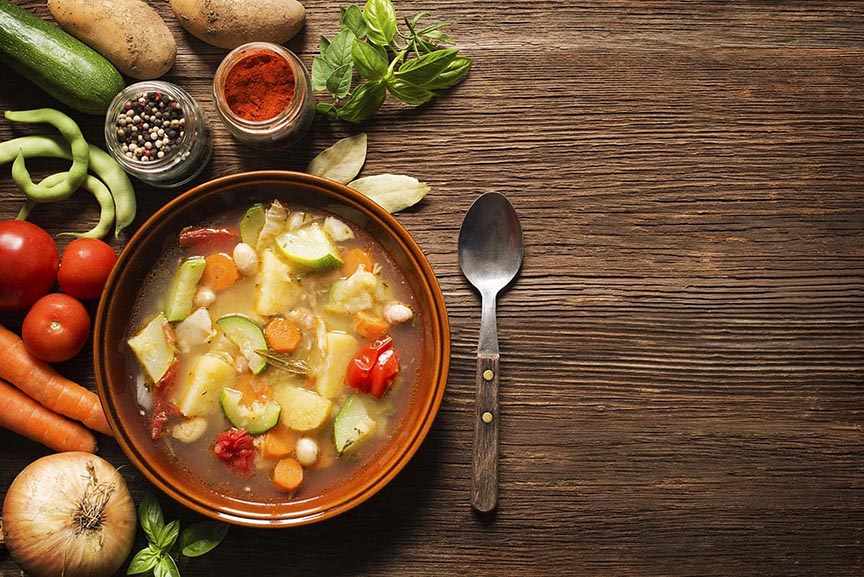
Detox soup has been cherished for centuries as a natural way to cleanse the body and promote overall health. The concept of using soup as a detoxifying agent is deeply rooted in history, spanning various cultures and regions. From the herbal broths of traditional Chinese medicine to the vegetable-rich soups of Mediterranean cuisine, detox soups have played a vital role in maintaining health and well-being.
A Historical Perspective
The practice of soup detoxing dates back to ancient civilizations. In China, detox soups have been a staple of traditional medicine for thousands of years. These soups often include herbs, roots, and vegetables known for their medicinal properties. Similarly, in Japan, miso soup is renowned for its cleansing benefits, incorporating fermented soybean paste and seaweed.
In the Mediterranean, vegetable detox soup has been a common remedy for maintaining health. Ingredients like garlic, onion, and leafy greens are simmered together, creating a nutrient-dense broth that supports the body’s natural detoxification processes. These traditional practices highlight how detox soup cleanse methods have been integrated into daily life rather than viewed as alternative healthcare.
Varieties of Detox Soups
There are numerous types of detox soups, each with unique ingredients and benefits. Chicken detox soup, for example, combines lean protein with detoxifying vegetables such as carrots, celery, and spinach. This soup is not only nutritious but also comforting and easy to digest. It’s a favorite during flu season when the immune system needs extra support.
Vegetable detox soup, on the other hand, is entirely plant-based and packed with vitamins, minerals, and antioxidants. Ingredients like kale, tomatoes, and bell peppers are common in these soups, offering a powerful blend of nutrients that aid in detoxification. Both types of soup are excellent for those looking to rejuvenate their bodies naturally.
The Natural Approach to Healing
Using natural methods, such as consuming detox soup, is a gentle and effective way to support health. Instead of calling the doctor at the first sign of a cold or fatigue, many people turn to these nutrient-rich soups. These soups provide hydration, essential nutrients, and support for the body’s natural detox mechanisms without the side effects often associated with chemical prescriptions.
This approach is especially beneficial for those looking to avoid antibiotics or other medications that can disrupt the body’s natural balance. Detox soup cleanse methods can be a preventative measure, helping to strengthen the immune system and promote overall well-being.
Cooking Your Detox Soup
When preparing detox soup, the choice of cookware is essential. Heavy-bottomed pots, such as Dutch ovens, are ideal for simmering soups. These pans ensure even heat distribution and can maintain a steady simmer for hours, allowing flavors to meld and nutrients to be extracted fully. Stainless steel pots are another good option, providing durability and ease of cleaning.
The cooking process itself is simple. Begin by sautéing aromatics like garlic and onion in a bit of olive oil. This step releases their flavors and creates a flavorful base for the soup. Next, add a variety of vegetables or lean proteins, followed by a generous amount of broth. Simmer the mixture until all ingredients are tender and the flavors are well combined.
The Global Influence
Countries around the world have their own versions of detox soups, reflecting local ingredients and culinary traditions. In Korea, for example, kimchi jjigae is a popular detoxifying soup made with fermented cabbage, tofu, and vegetables. Its probiotic content supports gut health and digestion. In India, Ayurvedic practices include soups made with lentils and turmeric, which have anti-inflammatory properties.
These global variations demonstrate that detox soup is a universal concept, embraced by many cultures as a natural way to promote health. A detox soup cleanse is more than just a trend—it’s a time-honored tradition.
Embracing the Detox Soup Lifestyle
Incorporating detox soups into your diet is an easy and enjoyable way to support your health. These soups can be made in large batches and stored in the refrigerator or freezer, making them convenient for busy lifestyles. For a quick and wholesome snack or light meal, these soups are a great option.
For those new to the concept, starting with simple recipes can make the process less daunting. Experiment with different vegetables, herbs, and spices to find combinations that you enjoy. The key is to use fresh, high-quality ingredients to maximize the health benefits.
A Simple Vegan Detox Soup Recipe
Here’s a straightforward recipe for a vegan detox soup that is both delicious and easy to prepare:
INGREDIENTS :
– 2 tablespoons olive oil
– 1 onion, chopped
– 3 garlic cloves, minced
– 2 carrots, sliced
– 2 celery stalks, sliced
– 1 zucchini, chopped
– 1 cup kale, chopped
– 1 cup broccoli florets
– 1 can (14 oz) diced tomatoes
– 4 cups vegetable broth
– 1 teaspoon turmeric
– 1 teaspoon cumin
– Salt and pepper to taste
– Juice of 1 lemon
– Fresh parsley, chopped (for garnish)
INSTRUCTIONS :
1. Heat the olive oil in a large pot over medium heat.
2. Add the onion and garlic, sauté until fragrant and translucent.
3. Add the carrots, celery, zucchini, and broccoli. Cook for about 5 minutes, stirring occasionally.
4. Stir in the diced tomatoes, vegetable broth, turmeric, and cumin. Bring to a boil.
5. Reduce the heat and simmer for 20-25 minutes, or until vegetables are tender.
6. Add the kale and cook for another 5 minutes.
7. Season with salt, pepper, and lemon juice to taste.
8. Serve hot, garnished with fresh parsley.
This vegan detox soup is not only nourishing but also easy to customize with your favorite vegetables and spices. Enjoy it as part of your detox soup cleanse for a refreshing and health-boosting meal.
*** Another root vegetable that acts as an antioxidant and anti-inflammitory is parsnip! To find out more about this very interesting root, read my post The Timeless Delight of Parsnip Soup: A Culinary Journey